

The hospitality industry is at an inflection point.
AI is everywhere. Every vendor has a roadmap. Every hotel group is being told that if they don’t move fast, they’ll be left behind.
And yet, in a recent conversation with Mike Rawson - CIO of citizenM, a very different philosophy emerged that is grounded not in speed or novelty, but in clarity, control, and intent.
If you’d like to listen to the complete podcast you can find it on
▶️ Watch on YouTube:
🎙 Listen on Spotify:
Spoiler Alert - here’s a summary of five learnings that I took away from the podcast
1. Hospitality businesses can’t exist without technology anymore
One of the clearest statements in the conversation reframed the entire discussion: technology is no longer a support layer in hospitality - it is the business.
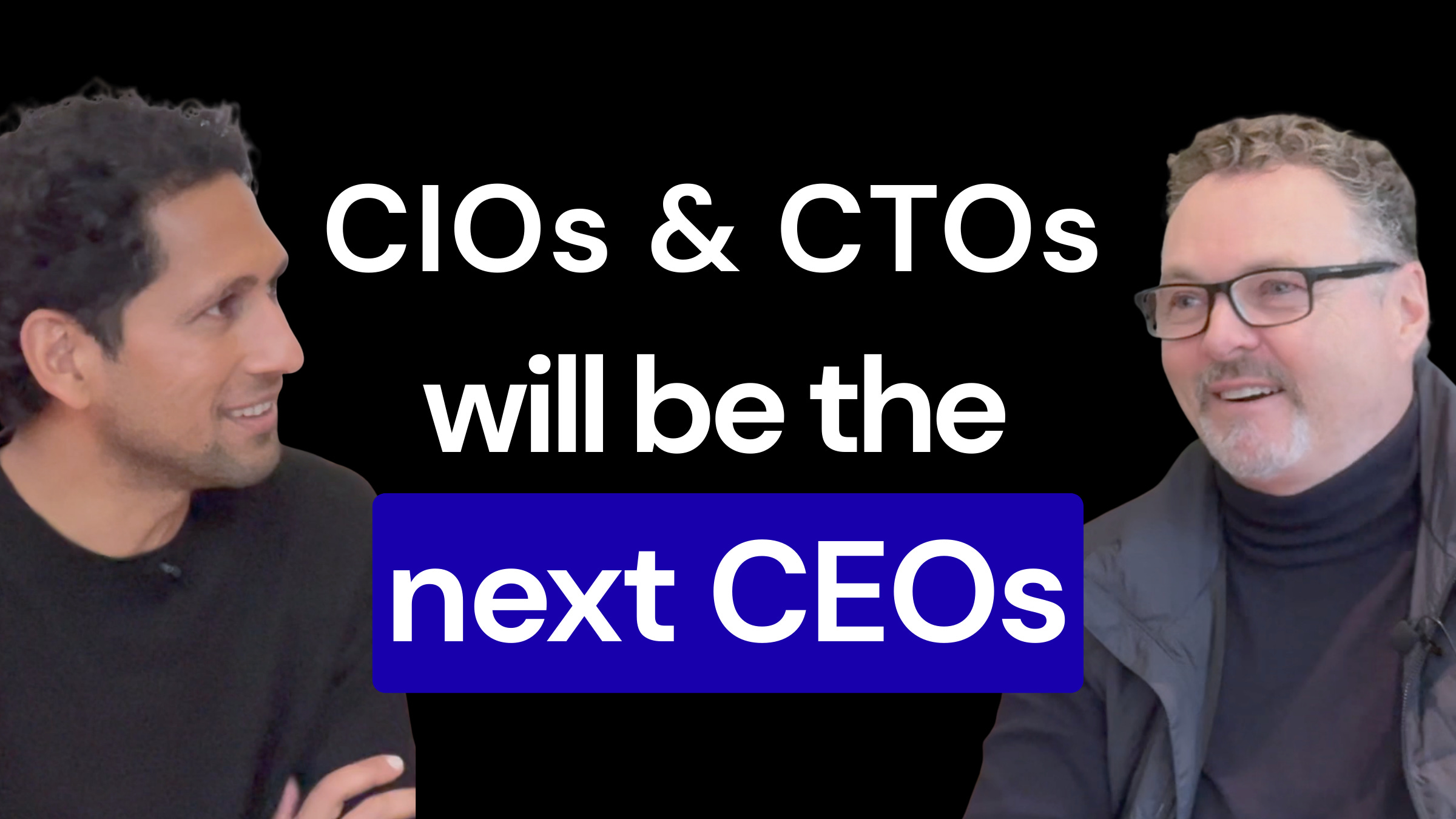
You can’t do a business without tech these days. So my final view is that the CIOs and CTOs will essentially… are the big callers over the next five to 10 years.
The CIOs and the CTOs will move into the CEO role.
This isn’t about tools or systems. It’s about leadership.
When technology underpins every guest interaction, every operational workflow, and every decision, the role of technology leaders fundamentally changes. CIOs and CTOs aren’t just servicing / supporting / enabling the business - they’re shaping its future.
For hotel brands, this means strategy, guest experience, and technology are no longer separate conversations.
2. The industry is drowning in AI promises
AI is moving fast, but not always thoughtfully. Mike doesn’t shy away from calling this out directly.
We’re drowning in AI. AI promises, and I just don’t think at the moment anyone’s really spent a lot of time thinking about the security and privacy elements that needs to occur to basically support it, right?
AI adoption without a clear understanding of risk, privacy, and data exposure isn’t innovation, it’s debt. And in people-centric, real world industries like hospitality, that debt snowballs into liability quickly.
CitizenM’s perspective is refreshingly sober: enthusiasm without responsibility doesn’t scale.
3. The real AI question is control, not capability
Much of the AI conversation focuses on what models can do. CitizenM focuses on what they’re allowed to do.
What are you enabling the AI to do? How much power has it got? How do you control the changes that it’s got? How do you back it out?
These questions go beyond product features. They touch governance, trust, and accountability.
AI that isn’t bounded by permissions, workflows, or oversight, introduces operational and reputational risk. CitizenM’s approach suggests that the future belongs not to the most powerful systems, but to the most controlled ones.
Capability without intent is dangerous. Capability with guardrails can be transformative.
4. Security and privacy must come before scale
Rather than racing ideas into production, citizenM prioritises discipline with a clear process of POC —> Pilot —> Rollout
“The first thing it would do is be checking the stuff that wants to go to production.”
This one line reveals a lot.
Experimentation is encouraged, but production is earned. New capabilities don’t scale by default; they pass through scrutiny. This mindset is especially important as AI systems become more autonomous and interconnected.
For hospitality leaders, this is a reminder that trust is built before scale, not introduced as an afterthought.
5. The business is simpler than the technology
One of Mike’s more subtle but important points is that complexity in hospitality often comes from the technology layer, not from the business itself.
I believe that the business - it’s not as complex as the tech, and therefore you can’t… you can’t do anything without the tech.
This is an important reframing.
Hospitality at its core is relatively simple: sell rooms, serve guests, resolve issues, create a good experience. What makes it feel complex is the accumulation of systems, integrations, and tools layered on top over time.
Mike’s point is that if the technology becomes more complex than the business it supports, it stops being an enabler and starts becoming friction. The implication is clear: technology should reduce perceived complexity, not amplify it.
Final thought
Even though Mike is convinced that AI will be the #1 disruptive factor in the hospitality industry over the next 10 years, the podcast isn’t a manifesto about AI. It’s a conversation about intentionality.
CitizenM’s approach suggests that the future of hospitality technology won’t be defined by who adopts the most tools, but by who asks the hardest questions before adopting any at all.
That makes CTOs and CIOs have a pretty big role these days.
And with that role comes great responsibility 💪
🎧 Watch or listen to the full conversation
If you want the full context and nuance behind these insights, check out the complete episode:
▶️ Watch on YouTube:
🎙 Listen on Spotify: